All-inclusive, licensed plumbing services backed by nearly a century of expertise. Plumbing License #17983.
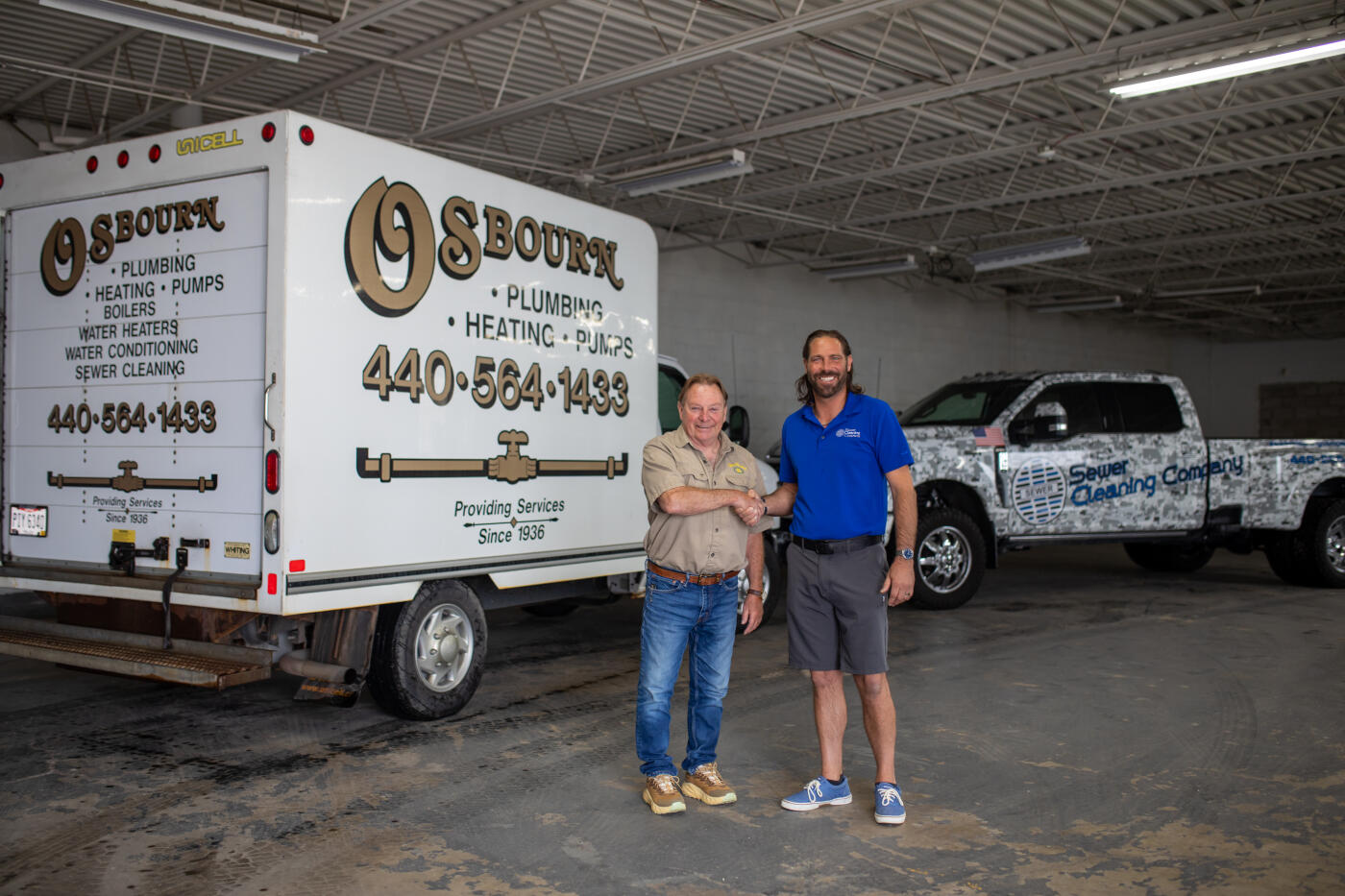
Osbourn Plumbing was founded in 1936 by Chuck Osbourn, who started as a chauffeur before building one of Cleveland's most trusted plumbing businesses. The original shop was located in the Hough area of Cleveland, but after it was destroyed by fire, the business relocated to Chesterland, Ohio, where it continued to serve the community for decades.
In 1994, Ted Poucher purchased Osbourn Plumbing and continued the tradition of quality service that Chuck had established. Under Ted's leadership, Osbourn Plumbing maintained an incredible 90% repeat customer and referral rate — a testament to the quality of their work and the relationships they built with their customers.
In June 2024, Sewer Cleaning Company acquired Osbourn Plumbing, combining nearly a century of plumbing expertise with our modern sewer cleaning technology. This merger allows us to provide even more comprehensive licensed plumbing services to the Cleveland area under Plumbing License #17983.
.jpg)
Sewer Cleaning Company provides all-inclusive, licensed plumbing services including:
Licensed plumbers undergo rigorous training and testing to ensure they have the knowledge to handle any plumbing situation safely and effectively.
A licensed plumber ensures all work meets local building codes and regulations, protecting you from fines and costly corrections.
Licensed plumbers take pride in their craft and deliver work that lasts, reducing the need for repeat repairs.
Professional plumbers have access to specialized tools and equipment that ensure the job is done correctly the first time.
Licensed plumbers carry insurance and often warranty their work, giving you protection and peace of mind.
Experience and training allow licensed plumbers to quickly and accurately diagnose problems, saving you time and money.
Plumbing work involves water, gas, and sewage. A licensed plumber knows how to work safely and protect your home and family.
A licensed plumber can identify potential issues before they become expensive emergencies, saving you from future headaches.
Many jurisdictions require plumbing work to be performed by a licensed professional. Using an unlicensed plumber can void your insurance and create legal issues.
Properly installed and maintained plumbing increases your property value and avoids issues during home inspections and sales.
A leaking faucet may seem minor, but it can waste hundreds of gallons of water per year and increase your water bill. The cause is typically a worn washer, O-ring, or valve seat. While some faucet repairs are simple, persistent leaks often indicate a more significant issue. Contact us for a professional diagnosis and repair to prevent further damage and water waste.
Prevent drain clogs by using drain screens to catch hair and debris, avoiding pouring grease or oil down drains, running hot water after each use, and scheduling regular professional drain cleaning. Avoid using chemical drain cleaners, as they can damage your pipes over time. For persistent issues, a camera inspection can identify underlying problems.
Signs of a hidden water leak include unexplained increases in your water bill, musty or moldy odors, water stains on walls or ceilings, warped or buckled flooring, the sound of running water when no fixtures are in use, and low water pressure. If you notice any of these signs, contact a licensed plumber immediately to locate and repair the leak before it causes structural damage.
Water heaters should be serviced at least once a year. Annual maintenance includes flushing the tank to remove sediment buildup, checking the anode rod, testing the pressure relief valve, and inspecting for leaks or corrosion. Regular maintenance extends the life of your water heater and helps it operate more efficiently, saving you money on energy costs.
A backflow prevention device is a mechanism installed on your plumbing system that prevents contaminated water from flowing backward into the clean water supply. These devices are required by code in many applications, including commercial buildings, irrigation systems, and properties connected to municipal water. They must be tested annually by a certified professional to ensure they are functioning properly.